Four useful buckets
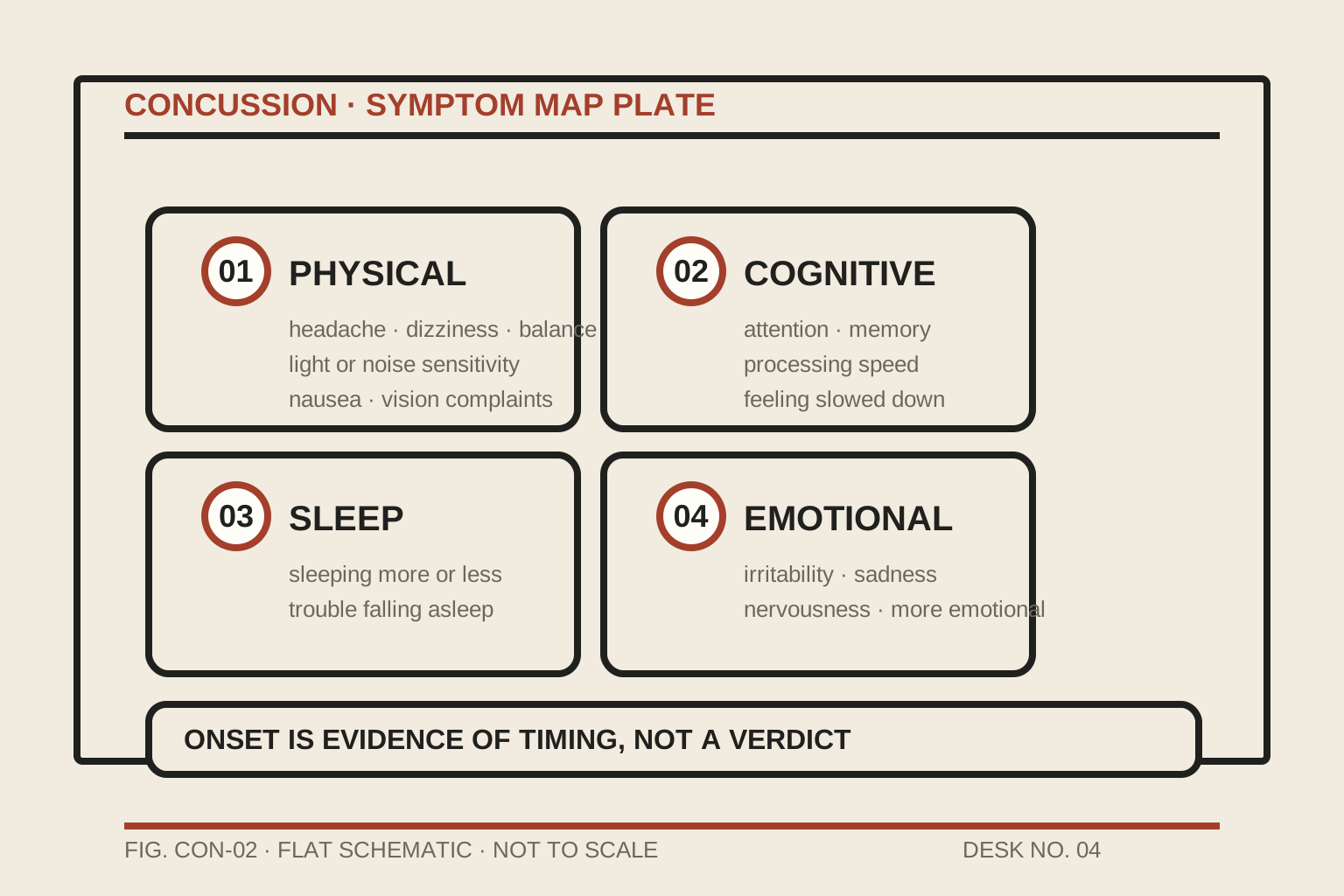
- Physical — headache, dizziness, balance problems, light or noise sensitivity, nausea, and vision complaints are examples listed by CDC materials.
- Cognitive — attention, memory, processing speed, or feeling slowed down can affect ordinary tasks.
- Sleep — sleeping more or less, or trouble falling asleep.
- Emotional — irritability, sadness, nervousness, or feeling more emotional can matter to the timeline.
Onset is evidence of timing, not a verdict
A symptom that appears hours after an event still belongs in the record. Write when it was first noticed, who noticed it, and whether it changed with activity or rest.